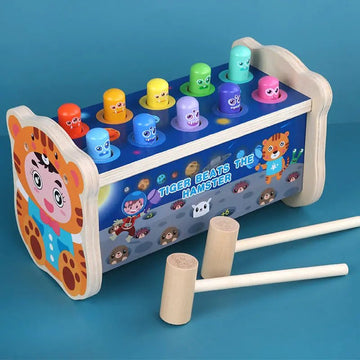
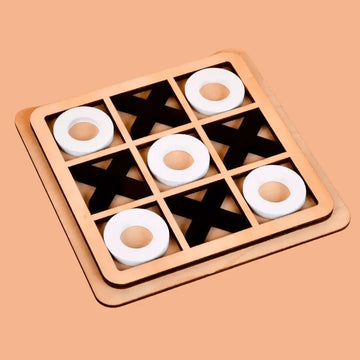
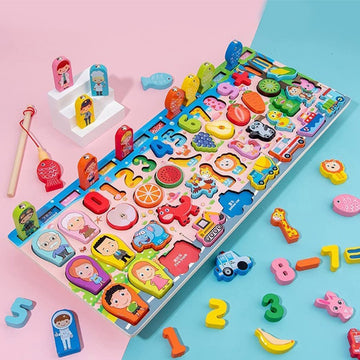
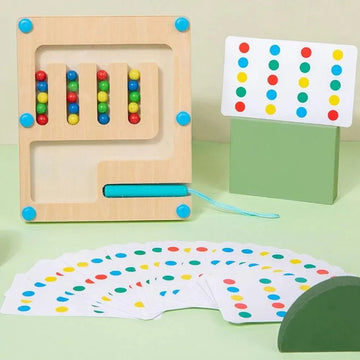
When you walk into a room full of kids playing with colorful wooden blocks, sorting toys, and building structures, you're witnessing something pretty magical. These aren't just toys—they're tools that help shape how children learn, grow, and develop. At MyLittleTales, we're passionate about wooden toys that do more than entertain; they educate and inspire. Let's dive into how Montessori wooden toys actually support early childhood development in ways that might surprise you.
Understanding the Montessori Philosophy
Before we talk about the toys themselves, it's worth understanding what makes Montessori education special. The Montessori method, developed by Dr. Maria Montessori over a century ago, is all about letting children learn at their own pace through hands-on exploration. It's not about forcing information into little heads; it's about creating an environment where kids naturally want to learn and discover.
The beauty of this approach is that it respects children as individuals. Every kid develops differently, and Montessori education embraces that. Wooden toys fit perfectly into this philosophy because they're simple, durable, and endlessly engaging. They don't beep, buzz, or light up—they just invite children to use their imagination and problem-solving skills.
Developing Fine Motor Skills
One of the biggest ways Montessori wooden toys help is by building fine motor skills. These are the small movements your fingers, hands, and wrists make—things like picking up objects, turning them, and manipulating them in different ways.
When a toddler picks up wooden blocks and stacks them, they're actually doing serious work. Each time they grasp a block, they're strengthening the tiny muscles in their hands and fingers. When they try to balance one block on top of another, they're learning about coordination and control. Activities like threading beads onto strings, fitting shapes into corresponding holes, or using wooden puzzles all require precise hand movements.
This might seem simple, but fine motor skills are foundational. They're what eventually lead to the ability to hold a pencil, write, tie shoelaces, and do countless other tasks kids need to master. By playing with quality wooden toys, children are building these skills naturally and joyfully, without even realizing they're "practicing."
Enhancing Cognitive Development
Wooden toys are incredible for brain development. When kids play with blocks, they're learning about spatial relationships—how things fit together, how structures balance, and how to plan before they build. This kind of play activates multiple areas of the brain simultaneously.
Sorting toys, for example, teach classification and pattern recognition. A child might sort wooden shapes by color, then by size, then by shape. Each time they do this, they're strengthening neural pathways and developing logical thinking skills. Puzzles work similarly—they require kids to think about how pieces fit together and to problem-solve when something doesn't work the first time.
What's really cool is that wooden toys don't have a "right way" to play with them. A set of blocks can become a tower, a house, a bridge, or anything else a child imagines. This open-ended play is crucial for cognitive development because it encourages creative thinking and helps kids learn to think flexibly and adapt their ideas.
Building Concentration and Focus
In our world of screens and constant stimulation, helping kids develop the ability to focus is more important than ever. Wooden toys naturally encourage sustained attention. When a child is absorbed in building a structure or working through a puzzle, they're practicing concentration.
This focused play time is valuable for developing what psychologists call "flow"—that state where you're completely engaged in an activity. Kids who experience flow regularly tend to have better attention spans and are more able to tackle challenging tasks. Wooden toys create the perfect environment for this because they're engaging without being overstimulating.
Promoting Sensory Development
Wooden toys engage the senses in a way that plastic toys often don't. The natural texture of wood, the weight of a wooden block, the sound it makes when it hits another block—these sensory experiences are important for development. Young children learn about the world through their senses, and wooden toys provide rich sensory feedback.
The natural colors of wood and simple painted designs also provide visual stimulation without being overwhelming. This is actually aligned with Montessori principles, which emphasize calm, ordered environments that help children focus rather than distract them.
Encouraging Social and Emotional Development
While wooden toys are great for solo play, they're also wonderful for group play. When kids build together, they learn to cooperate, share, and communicate. They might negotiate whose turn it is, discuss their building plans, or work together to create something bigger than they could make alone.
Playing with wooden toys also helps children develop emotional regulation. When a tower falls down, they learn to handle frustration and try again. When they successfully complete a puzzle, they experience genuine pride and accomplishment. These emotional experiences are crucial for healthy development.
Safety and Sustainability
Parents also appreciate that Montessori wooden toys from quality makers like MyLittleTales are safe and sustainable. Unlike plastic toys that can break into small pieces or contain harmful chemicals, wooden toys are durable and made from natural materials. They're often finished with non-toxic paints and stains, making them safe for babies and toddlers who put everything in their mouths.
Plus, wooden toys last for years and can be passed down to younger siblings or cousins. This durability means less waste and more value for families. It's a win for kids and for the planet.
Supporting Different Learning Styles
Every child learns differently. Some are visual learners, some learn through movement, and others learn best through hands-on exploration. Wooden toys support all these learning styles. A visual learner might be drawn to the colors and patterns, a kinesthetic learner loves the physical manipulation, and a child who learns through exploration can spend hours discovering new ways to use the same toy.
This versatility makes wooden toys perfect for diverse groups of children, whether in homes, classrooms, or daycare settings. They work for kids with different abilities and developmental levels, which is another reason they're so valued in Montessori education.
Creating Lasting Memories and Connections
There's something special about wooden toys that goes beyond development. They create a sense of warmth and nostalgia. Parents often remember playing with wooden toys themselves, and there's something meaningful about sharing that experience with their own children. These toys encourage families to play together, creating memories and strengthening bonds.
Choosing Quality Wooden Toys
Not all wooden toys are created equal. When you're shopping for toys that will truly support your child's development, quality matters. Look for toys made from sustainably sourced wood, finished with non-toxic materials, and designed with safety in mind. At MyLittleTales, we carefully curate our collection of premium Montessori and wooden toys to ensure they meet these standards.
Conclusion
Montessori wooden toys are so much more than cute decorations for a nursery. They're powerful tools for supporting early childhood development across multiple domains—from fine motor skills and cognitive development to emotional growth and social learning. By choosing quality wooden toys, you're investing in your child's development while also making a choice that's better for the environment.
The beauty of these toys is that they work with children's natural desire to learn and explore. They're simple enough to be accessible but complex enough to grow with your child. Whether your little one is just starting to grasp objects or is building elaborate structures, wooden toys provide the perfect platform for learning through play. That's where learning truly meets play, and that's what makes Montessori wooden toys such a valuable part of early childhood.
